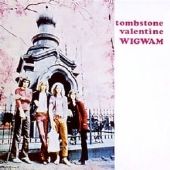
Wigwam - Tombstone Valentine (1970/2007 24-Bit Remastered Edition)
--------------------------------------------------------------------------------
Album: Wigwam - Tombstone Valentine (24-Bit Remastered Edition)
Released: 1970 (2007)
Genre: Psych-, Jazz-Rock, Cantebury Styled Progressive
Gnosis Rating: 9.43
Love Records - LRCD19
Fabulous 24 bit remaster of the genious 2nd album by Wigwam produced by Kim Fowley. A Finnish band fronted by ex-Pat Brit Jim Pembroke, Wigwam made some of the best hard progressive rock of the '70's. This record is a delightful effort with a real late '60's vibe featuring Pembroke's observant, and witty songwriting, diverse instrumentaion, orchestration and flashes of fuzz guitar. Somewhere between Procul Harum, Traffic and Caravan this is a lost classic of British/Finnish progressive rock music.. - Freak Emporium
Wigwam, Finland's most famous rock band, combined song form with a progressive outlook, & remain a 70's favorite of many folks. This, their second album from 1970, is an excellent place to start with this band! This is the newly remastered, 24bit remastered version from 2003. This has a combination of their psychedelic roots and the beginning of their well known sound. No bonus tracks but some wonderful photos in the booklet I hadn't seen before. - Wayside Music
Released in 1970, Wigwam's second album “Tombstone Valentine” uniquely stands on its own as not only a precursor to what was still to come but also a wonderful album bubbling over with soul searching folk/psych/prog leanings. The first few Wigwam albums are truly wonderful and generally cover a wide range of musical ground. This album is a collection is 11 tracks with a heavy focus on folk-blues-rock songs giving at times allusion to the symphonic prog the later albums would explore. Hard to exactly peg down this album but definitely hear some Procol Harum and a piece of maybe folk-era Hoelderlin. Tombstone Valentine introduced us to new Wigwam members Jukka Tolonen (guitarist) and bassist/composer Pekka Pohjola. Wigwam were lead by both Jukka Gustavson (organ, piano) and vocalist England’s Jim Pembroke'. Overall this is an excellent album that showed Wigwam in early form performing unconventional and original selection of folk/prog and clearly shows a young band searching for a chemistry that began to gel on this album. - James Unger
Released in 1970, Wigwam's second album Tombstone Valentine stands apart from the rest of the group's output. Featuring contributions from several individuals, it comes off as more of a "mixed bag" than their other albums, with the focus primarily in favor of shorter, blues-rock or folk influenced songs.
While containing numerous impressive displays from guitarist and unofficial "member" Jukka Tolonen, Tombstone Valentine also introduced to the world the prodigious talents of bassist/composer Pekka Pohjola. It should also be noted that Tombstone Valentine contains no side-long or suite-like progressive "meditations" from keyboard virtuoso Jukka Gustavson, although he did contribute three excellent cuts. Gustavson's complex, religious and politically oriented musical ideas would wield a much greater influence on the bands next album, 1971's Fairyport. Consequently, Tombstone Valentine is less of an all-around prog extravaganza than its successors, but it is overflowing with excellent material that showed a band searching for a chemistry to adequately support the vast talents of the individual members.
To lead the album off, vocalist/songwriter Jim Pembroke contributed the bittersweet folk/prog title cut, which ambles along with a rhythm reminiscent of The Band's "The Weight". Augmented by accordion and banjo (from Kalevi Nyqvist and Heikki Laurila, respectively), it sets an adequate tone for the rest of the album. The second cut "In Gratitude" was written and sung by keyboardist/vocalist Jukka Gustavson, but it features some bluesy fret-burning from Tolonen and startlingly nimble bass by Pohjola. It almost reminds me of the Allman Brothers, but Gustavson's ascending-descending chord progressions keep the tune from being rooted too firmly in simple blues-based rock.
"Dance Of The Anthropoids", contributed not by any Wigwam member but by electronic musician Erkki Kurenniemen, served as an effectively schizoid intro to one of the band's most memorable and unique pieces, the Pembroke-Pohjola collaboration "Frederick And Bill". Again, Tolonen and Pohjola spar with each other in a delicious display of virtuosic fretplay. Pembroke's melancholy "Wishful Thinker" concludes the album's first side at the pace of a slow waltz; it reminds this reviewer of some of the more languid moments from the classic Rolling Stones albums of the late 60's.
Side two begins with another quirky folk-prog workout, the moderately paced "Autograph"; it gives way to one of the album's more unique cuts, Pohjola's instrumental "1936 Lost In The Snow". An elegant and succinct melodic statement, it stands apart from the rest of the album and teases the listener with a taste of what was to come in Pohjola's long, prolific solo career.
Another wistful Pembroke cut, "Let The World Ramble On", is followed by Gustavson's progressive avant/jazz rock instrumental "For America". Starting out in a swinging 7/8 time signature, the piece soon takes on a more straightforward rhythmic approach. Aside from Gustavson's chordal excursions, Tolonen reappears for a brief solo, and Pohjola takes an extended stroll throughout.
Complete with partially veiled references to (I presume) the Vietnam conflict, "Captain Supernatural" is probably this album's closest thing to a true psych piece, containing a shadowy quote from "Ghost Riders In The Sky". It is followed by Gustavson's haunting and simply titled "End", and together the two fashion an appropriate conclusion to the music.
Tombstone Valentine is another curiously under-appreciated album from one of progressive rock's greatest treasures. The uninitiated would be doing themselves a great musical favor to seek this one out. - Progressive Ears Album Reviews
The second album from the Wigwam repertoire was released in two distinctively different versions. The European release saw a single album released composed solely of new material while the American release consisted of a double album which also included tracks from Hard N' Horny as well as Blues Section material. One of the things to strike the listener when listening to the album, and running through the credits is the relative lack of material penned by Gustavson, who had contributed to half of the band's debut album. The reason for this was the fact that producer Kim Fowley was keen on the band exploiting the more commercial aspect of their music. As has oft been mentioned the more commercial of the band composers was Pembroke, and thus this resulted in his material being chosen in favour of the more complex material form the other members.
The album opens with the title track which also has the distinction as being one of the few English-sung Wigwam tracks to be translated into, and sung in, Finnish by Vesa-Matti Loiri. In itself the track possesses a folk feeling with the use of the accordion as well as the inclusion of the banjo during the solo section. On the other hand the grandiose feeling that Wigwam music possesses is retained with the full use of keyboards especially with the feeling of a string section accompanying the chorus.
In Gratitude! has a soul feeling to it, both in terms of the rhythm as well as the bass line that runs throughout the whole of the track. In fact it could well pass as a track from one of the many R&B influenced bands that were around in those times. However, on closer inspection one notes the occasional shifts in key that prevent the track from becoming overtly commercial and give it that trademark Wigwam stamp.
Erkki Kurenniemi is considered one of the pioneers of Finnish electronic music and one of his more well known experimental compositions is Dance Of The Antropoids, of which an excerpt was used on this Wigwam album. Frederick & Bill is one of the stand out tracks on the album with its jazz touch comnfined within the regimen of a "pop' tune. In fact it is no wonder that the main contributor to the track was Pekka Pohjola. Of further note is the free utilisation of the guitar on this track, not a characteristic sound on early Wigwam material who tended to have the organ dominate musical proceedings.
Wishful Thinker brings us back to the more soulful Pembroke nature of composing. At times the music almost verges on the Procol Harum, themselves a group heavily influenced by R&B music. Autograph sees producer Kim Fowley credited, though rumours from within the band suggest that his contribution was rather minimal and most of the track was a Pembroke composition. Once again there is a slight folk feeling introduced within the music, this time courtesy of Pohjola's violin licks with Keikki Laurila's banjo playing along.
The instrumental 1936 Lost In the Snow is ample proof of how Pekka Pohjola was able to broaden the musical spectrum of the band. The dominant instrument is the violin which plays along in a lament fashion while the rest of the band create somewhat of a slow back beat though this does tend to pick up as the track progresses. The short duration of the track is perfect as it does not overstay its presence but acts as the perfect breaker between the R&B drenched material that is manifest throughout the whole of the album. The fade out of the track also suggests that the original material was actually a longer piece of music. A perfect example of the soulful music on the album would be Let The World Ramble On. The tempo is decisively slow with once again Tolonen's guitar playing helping out the proceedings in creating the right atmosphere.
For America, as its name implies has a very American feel to it with the jazzy piano introduction. The track in itself has a very free feeling to it and acts as the perfect showcase to Gustavson's free flowing piano playing, something which does not really shine through on most of the album. Captain Supernatural, on the other hand, as befits a Pembroke composition, is one of the most commercial of the tracks on the album with his vocals a close rival to Gary Brooker (Procol Harum).
End, as its name implies is a the perfect closer to this album. Another Gustavson composition, it shows the complexity of this man's musical mind. Opening with a solo on the Hammond organ, this track shows the dangerous musical balance Wigwam thrived on. On one hand there were the strong blues principles that show up regularly, especially on this early album, whilst on the other hand there was the more experimental nature of musicians such as Gustavson and Pohjola that wanted to take the band to another dimension. Though not a classic album, Tombstone Valentine is the first Wigwam album that seems to show the band members getting to grips with each ones individual musical desires. - DPRP - Forgotten Sons: Wigwam
1 Tombstone Valentine (03:07)
2 In Gratitude (03:48)
3 Dance of the Anthropoids (01:07)
4 Frederick & Bill (04:27)
5 Wishful Thinker (03:48)
6 Autograph (02:40)
7 1936 Lost in the Snow (02:13)
8 Let the World Ramble On (03:24)
9 For America (04:23)
10 Captain Supernatural (03:03)
11 End (03:35)
Jukka Gustavson - vocals, organ, piano
Ronnie Österberg - drums
Jim Pembroke - vocals
Pekka Pohjola - bass, violin
Heikki Laurila - guitar, banjo
Kalevi Nyqvist - accordion
Jukka Tolonen - guitar
__________________
|